Inside is a replica of the first printing press that operated in Guatemala in 1660.
5a Calle Poniente Antigua Guatemala Guatemala

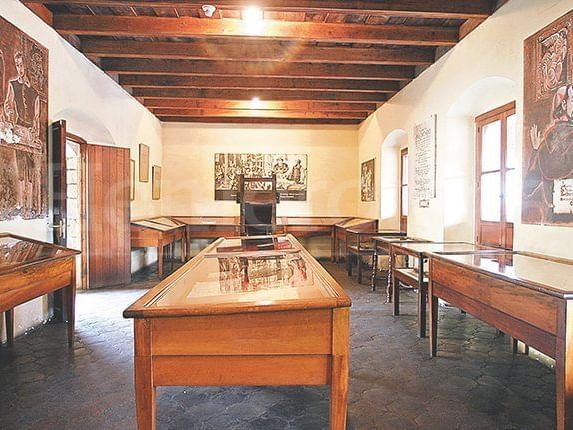
Inside is a replica of the first printing press that operated in Guatemala in 1660.
5a Calle Poniente Antigua Guatemala Guatemala
Offers guided tours service to publicize a collection of sculptures, paintings and altar-pieces from the colonial era.
It has three interesting museums: Casa K'ojom is a music museum exhibit featuring musical instruments and pre-Columbian Mayans; Museo del Café with history and description of the process itself and the Rincón Sacatepéquez, exhibiting costumes from different regions of Guatemala and crafts.
In 1994, the city of La Antigua Guatemala, which owns the building, gives the right to use it to AECI for the creation of Latin American Centre for Development Training.
It was not until 1680 that it acquired the grandeur whose remains we see today.
Built in the seventeenth century, was the prototype of the Palacio Real. Its design and construction is attributed to the architects Luis Navarro Díaz, Juan de Dios Aristondo and Diego de Porres.
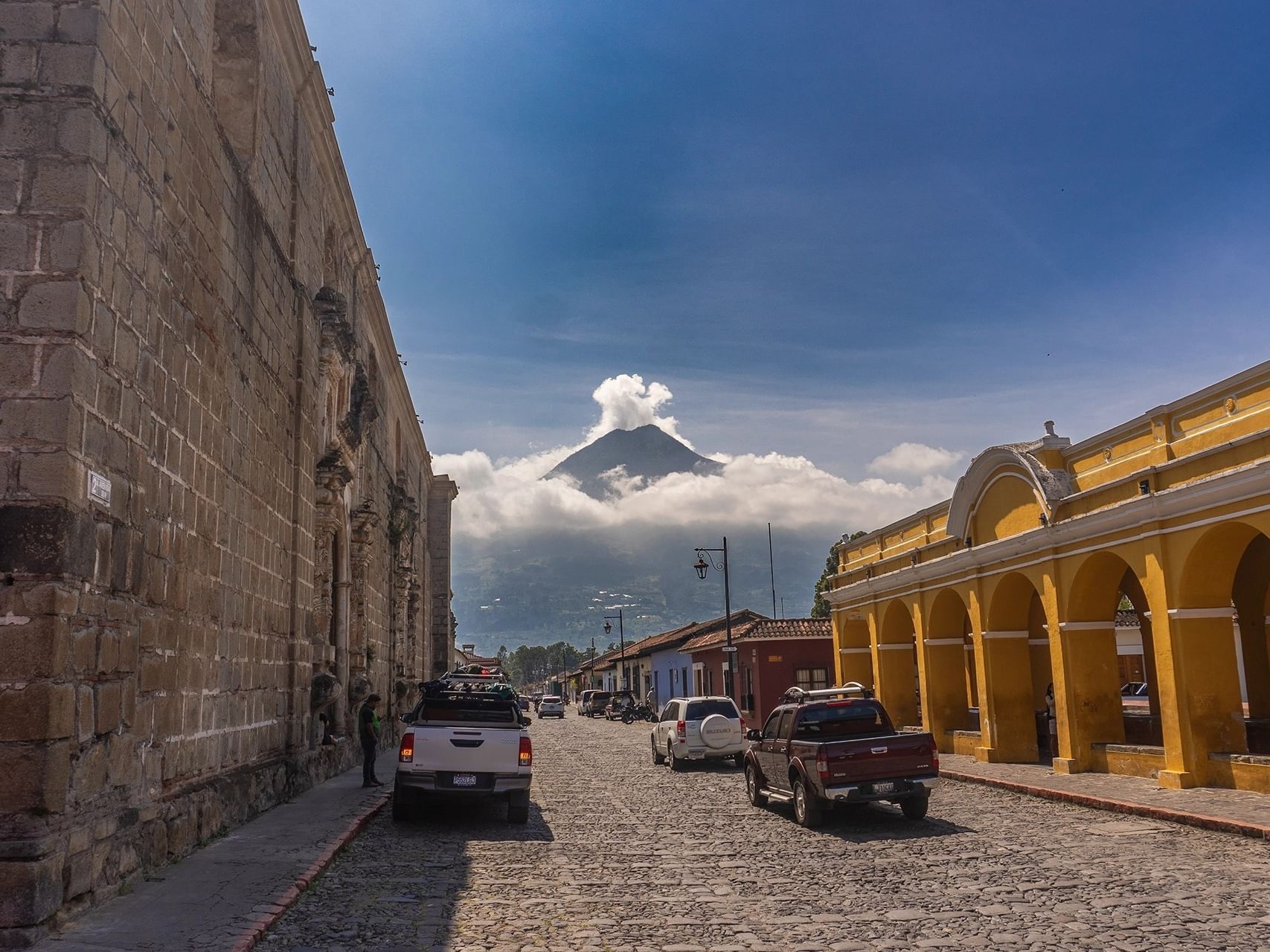
15 minutes walking
Its foundation was promoted by Poor Clare nuns from the convent of Puebla de los Ángeles (present-day Puebla, Mexico), who arrived in Santiago de Guatemala (now Antigua) at the end of the 17th century. The convent was officially founded in 1699 under the Order of the Poor Clares (Order of Saint Clare).
20 minutes walking
It was founded around 1580 as the College of San Jerónimo, focused on education. However, over time, and especially after the damage caused by earthquakes, many colonial buildings in Antigua changed their use
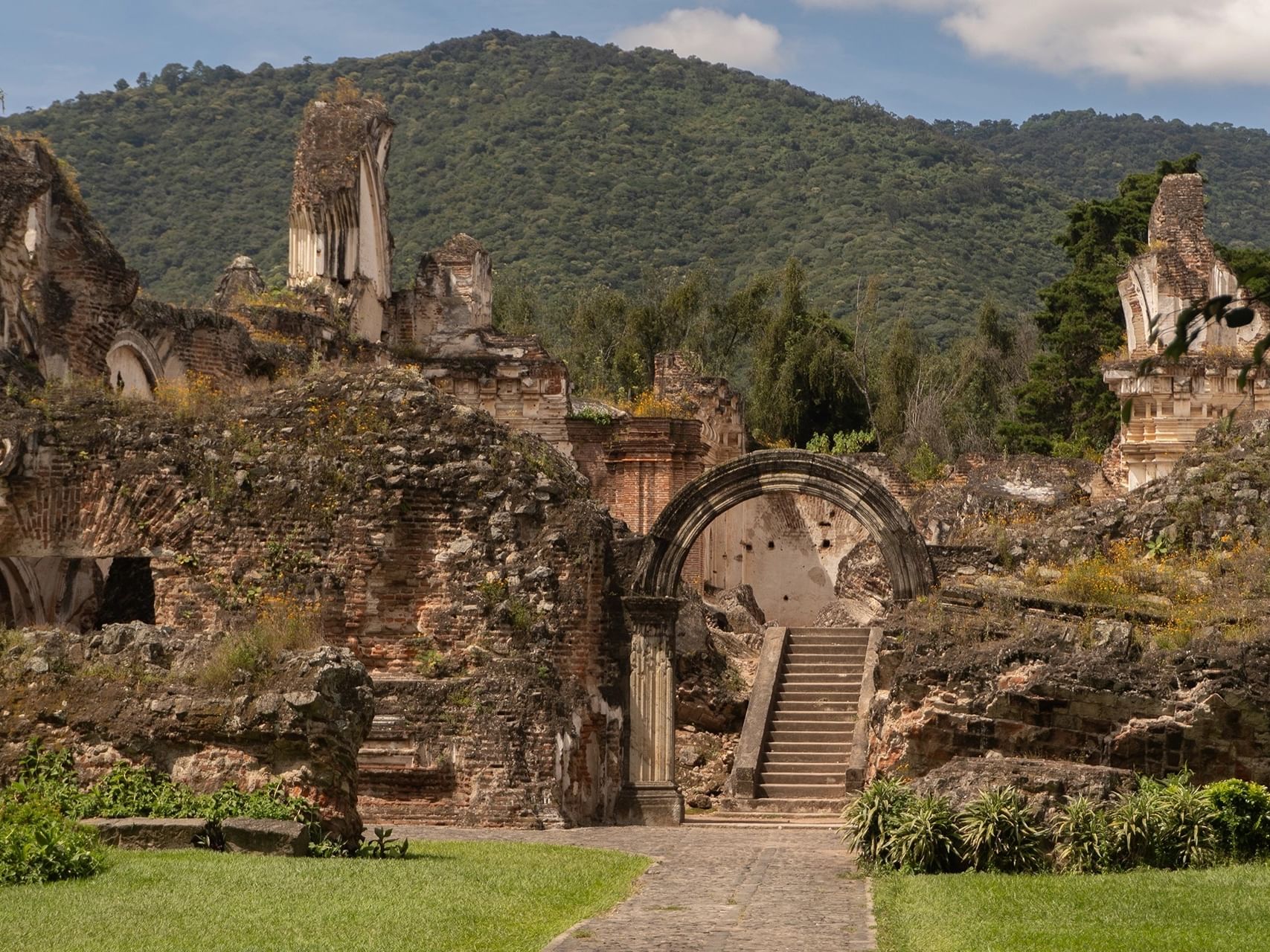
20 minutes walking
Founded in 1701 by the Recollect friars, the convent was part of an important religious complex dedicated to contemplative and spiritual life
Monument to the great colonial poet Rafael Landivar. Born in Santiago on October 27th, 1731 and died in Bologna, Italy in 1793.
Its construction was due to the lack of a place to venerate the image of San José, created by La Antigua Guatemalan sculptor Alonso de Paz.
Was considered a Chapel because it was located on the outskirts of the city; it was one of the few temples which work after the earthquakes of 1773.
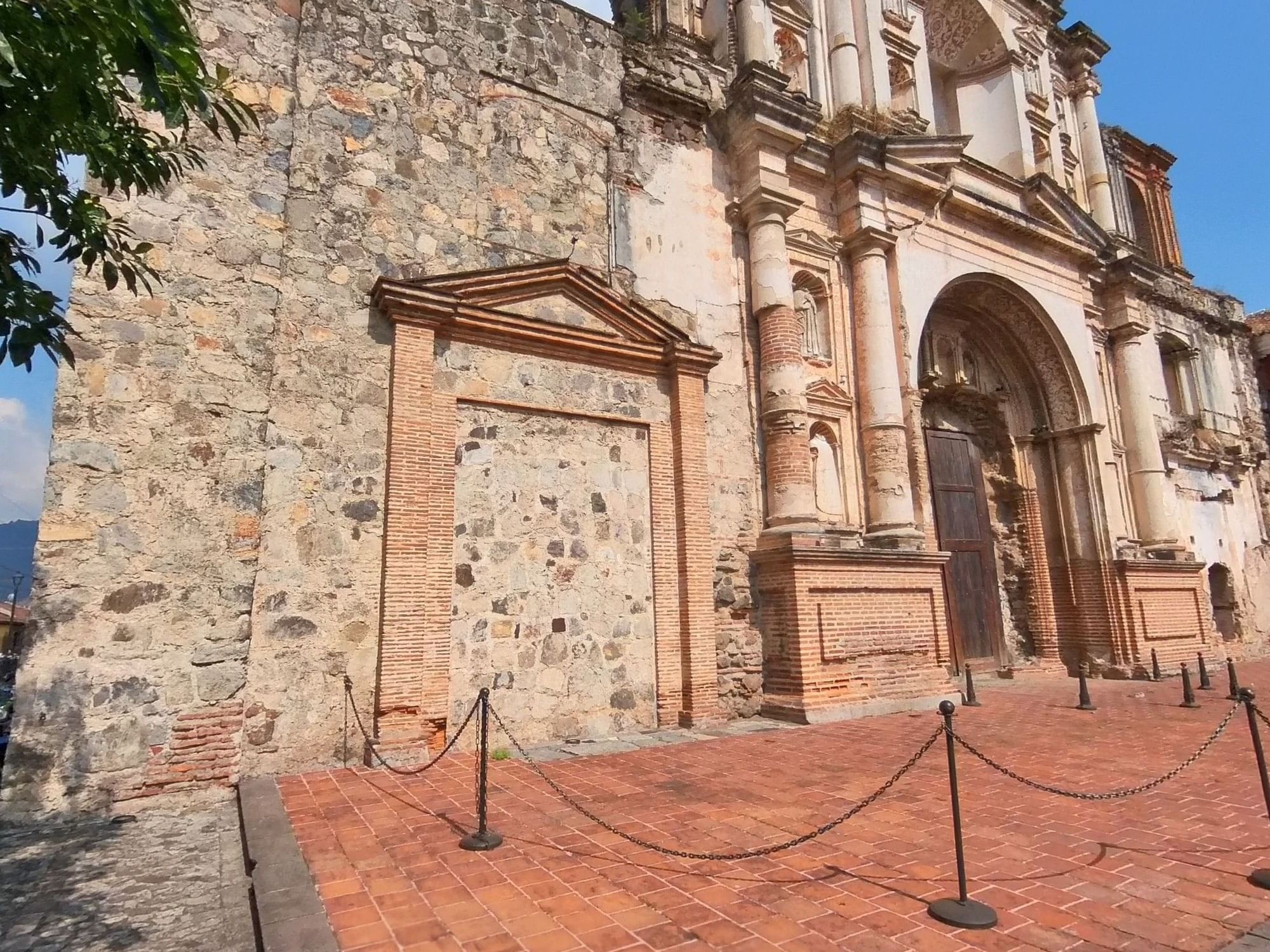
15 minutes walking
Founded by the Jesuit order in the 17th century and completed in 1698, its construction was led by architect José de Porres
Famous because in its square is held "La Quema del Diablo" each December 7th
This temple belonged to the Orden de la Concepción, was built between 1623 and 1642.
Its construction was provided by Juan Pascual and Jose de Porras, who finished in 1662 the hospital and in 1675 the temple.
Was originally the place where the Order of the Franciscans built its first chapel in the Captaincy General of Guatemala.
It has the richest pieces of colonial art. It is the most visited temple because in one of its chapels is the tomb of Saint Hermano Pedro de San Jose de Betancourt, and also for being one of the most fervently continue La Antigua Guatemalan religious traditions.
Experimental farm located about ½ mile before San Miguel Dueñas. Enjoy and observe natural macadamia, chocolate and macadamia and also you can buy cosmetics.
Located south of the city. Not in activity, however, has been one of the most destructive and decisive in the history of the city of Santiago de los Caballeros.
Is an eco-tourism initiative that combines the familiar excitement of the canopy with the observation of landscapes, flora and fauna. Finca Filadelfia is a coffee farm where you can watch the entire process of coffee, from harvest until toasted.
Explore the summit of the volcano on a 2-day trip from Antigua. At almost 4,000 meters (13,000 feet) above sea level, the advanced hike offers spectacular views of the nearby Agua and Fuego volcanoes.
Start at El Cerro de la Cruz, the popular viewpoint, before heading to a local eco-lodge and avocado plantation in a small town in the mountains.
Learn how to make chocolate desserts in the country that makes it best during a 2-hour workshop at the ChocoMuseum in Antigua. Learn everything about the chocolate making process, from the cocoa bean to the chocolate bar.
he busiest days are Monday, Thursday and Saturday. It shows the marketing of agricultural products, as well as the color and variety of costumes worn by the sellers.
10 minutes walking
It is a colorful and authentic experience, ideal for those looking to discover local craftsmanship and purchase unique pieces
Famous for the quality of the tissues that produce their weavers. Interestingly, some of them are grouped in cooperatives.
Two kilometers from La Antigua Guatemala is a small town that annually becomes the center of pilgrimage, especially during the celebration of Lent and Easter. Inside the church is venerated the image of Christ being buried, possibly carved by the artist Quirio Cataño.
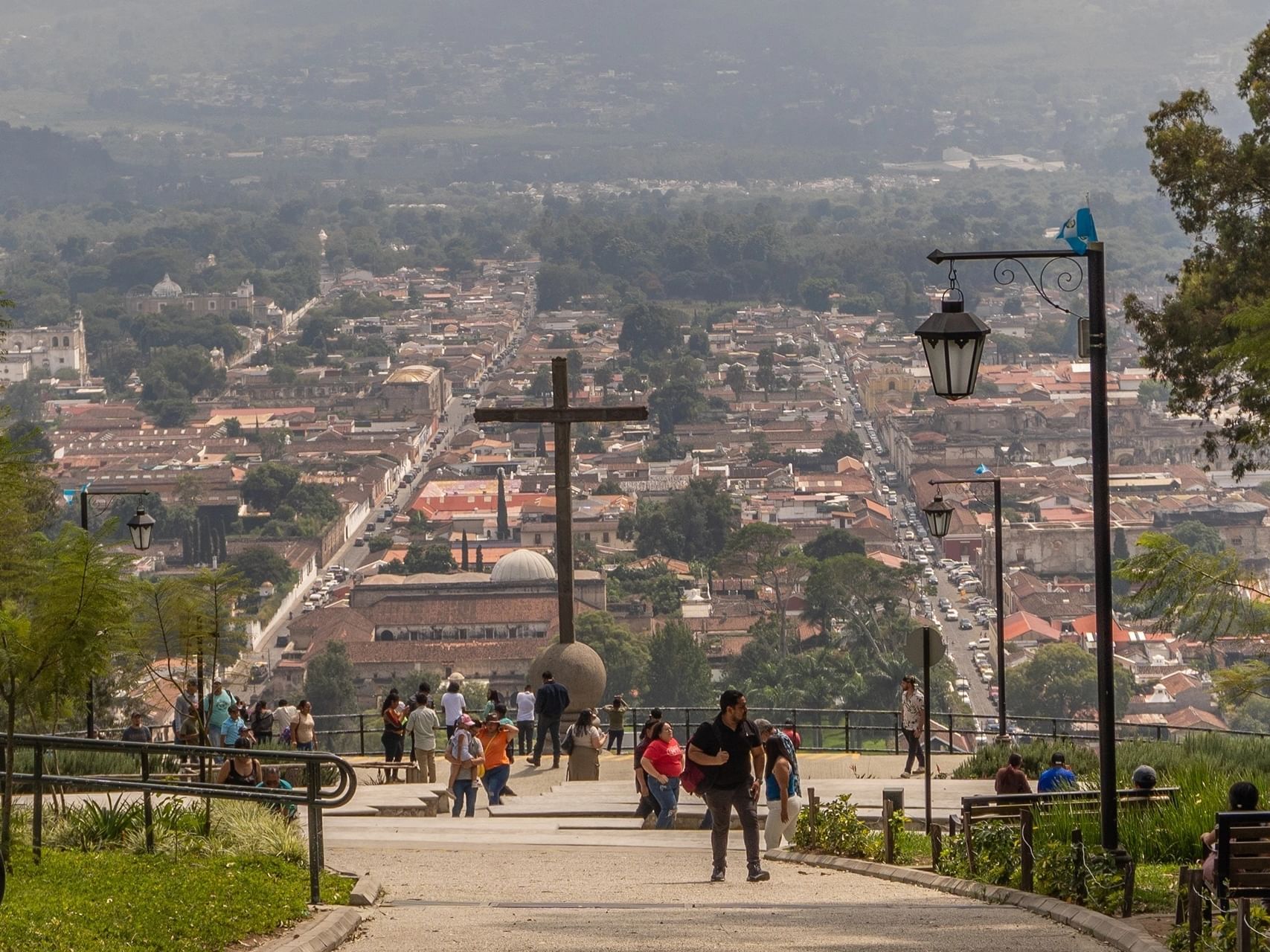
45 to 60 minutes walking
From here, visitors can enjoy breathtaking views of the colonial city, with its grid-like streets, historic churches, and the majestic Agua Volcano in the background.
Famous town because there were located the first archbishop's palace, in Renaissance style. This palace was the residence of Bishop Francisco Marroquín.
The place where you can see the Church of the Immaculate Conception, in Baroque style, built in the eighteenth century.
This organization operates in San Miguel Dueñas, 15 kms. south of La Antigua Guatemala.
Organization dedicated to health and care of people unprotected, offering free or at token prices surgery services, general medicine, medical conferences for specific ailments, gives home and assists disabled children and the elderly, children attending day care, attend young adults with addictions and alcoholism.
It is a for-profit company dedicated to support the artisans to produce, promote and sell their handmade crafts in the markets of the world.
Organization dedicated to provide Guatemalan families the opportunity to improve the quality of their lives through education and access to family planning and reproductive health. Its orientation is directed towards men, women and adolescents.
Is located in the building that became known as Colegio Santo Tomas de Aquino and now is a hotel with six museums (colonial, archeology, imagery, skeletons, and exhibition of handicrafts) and two workshops , a sale of candles and other pieces made from stone, clay and glass.
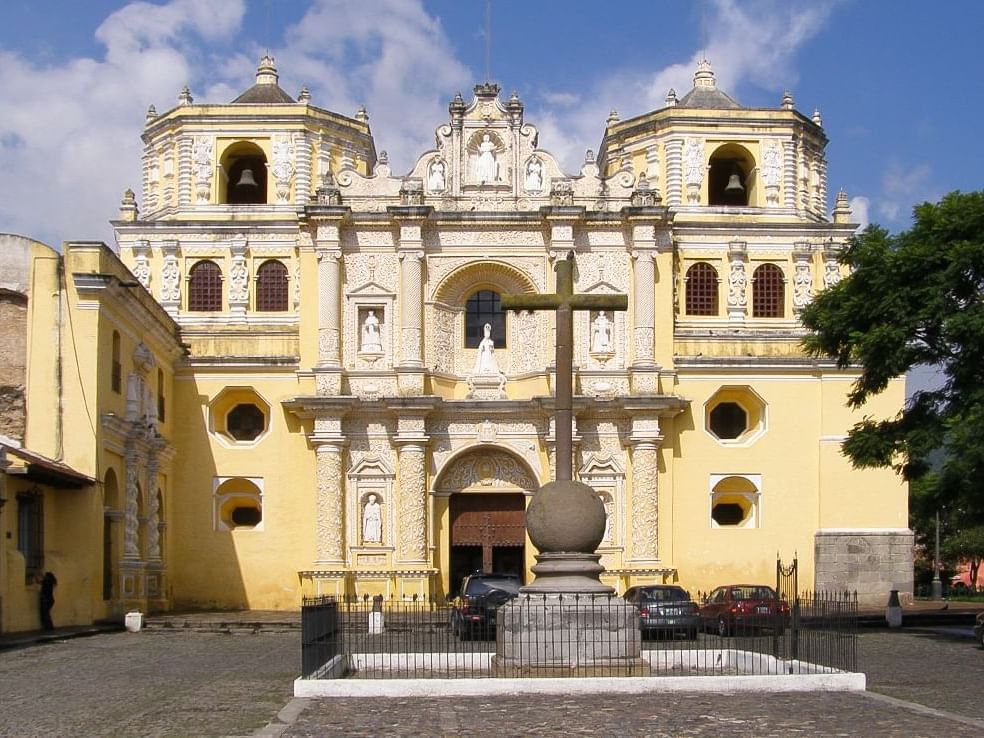
15 minutes walking
The exquisite Baroque facade shows an extraordinary ornamental work done in stucco, with a vibrant yellow color. Inside the monastery you can also see one of the largest fountains of the city.
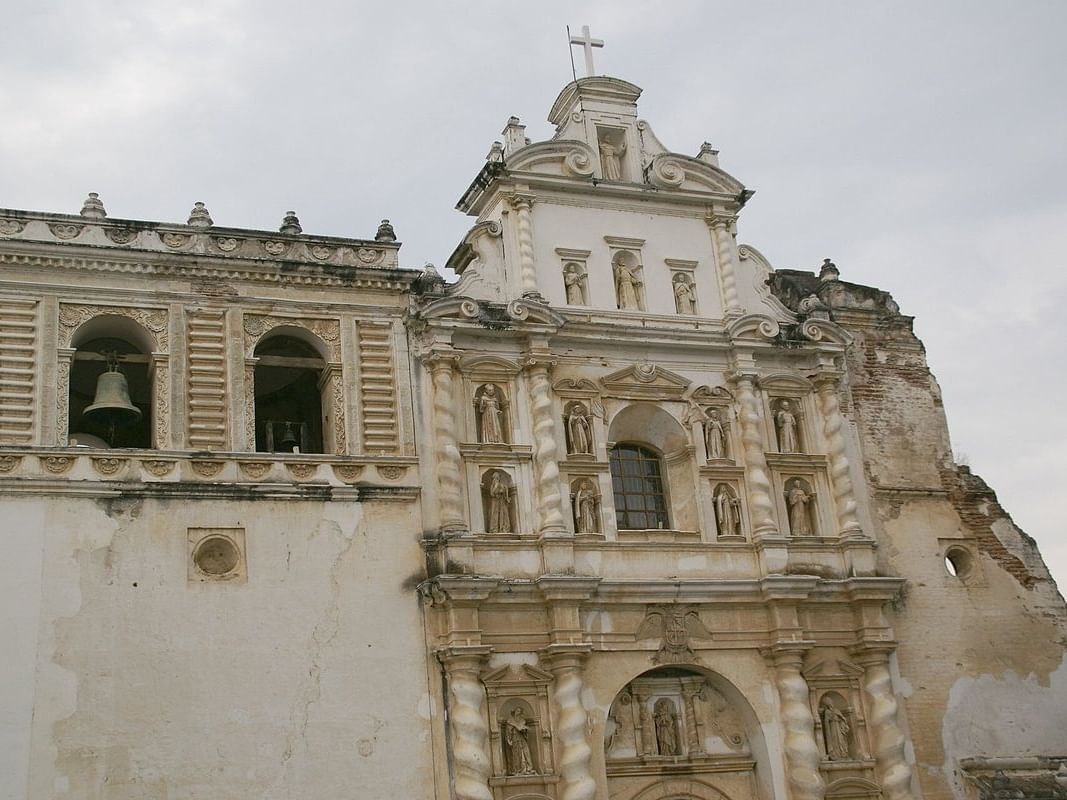
Ten minutes walking
It was built by the Franciscan order and is known for its wooden altar and small museum, which offers a glimpse into the church's history. Saint Brother Pedro de San José de Betancur is buried in its catacombs.
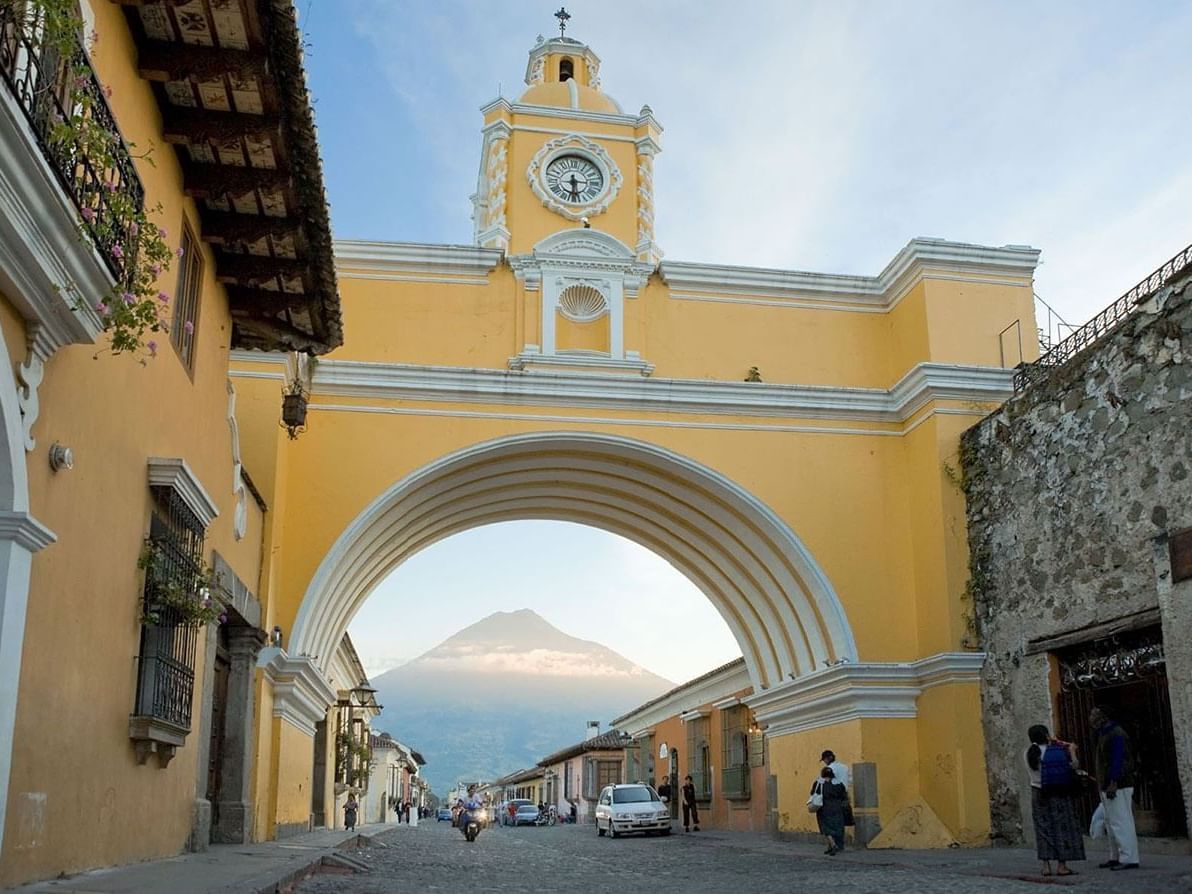
Ten minutes – walking
Located near the Central Plaza, the Santa Catalina Arch is an icon of La Antigua. When it was first built in the 17th century, it connected the Santa Catalina convent with a school. This key feature allowed cloistered nuns to move from one building to another without being seen on the street.
Inside is a replica of the first printing press that operated in Guatemala in 1660.

20 minutes walking
Was the last female convent founded in the city. One of the biggest attractions is the impressive tower of retirement with circular configuration of 18 cells.
20 minutes walking
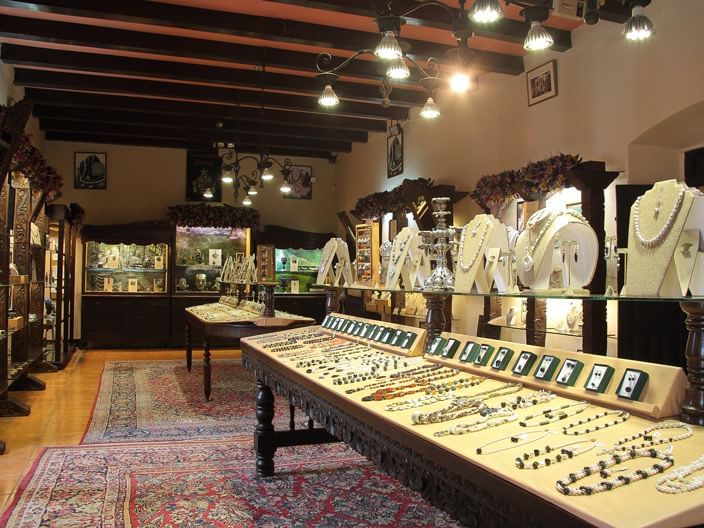
This is the first and largest jade factory in the city. It has a museum, showroom, exhibition and much information about the Maya worldview.
45 kms
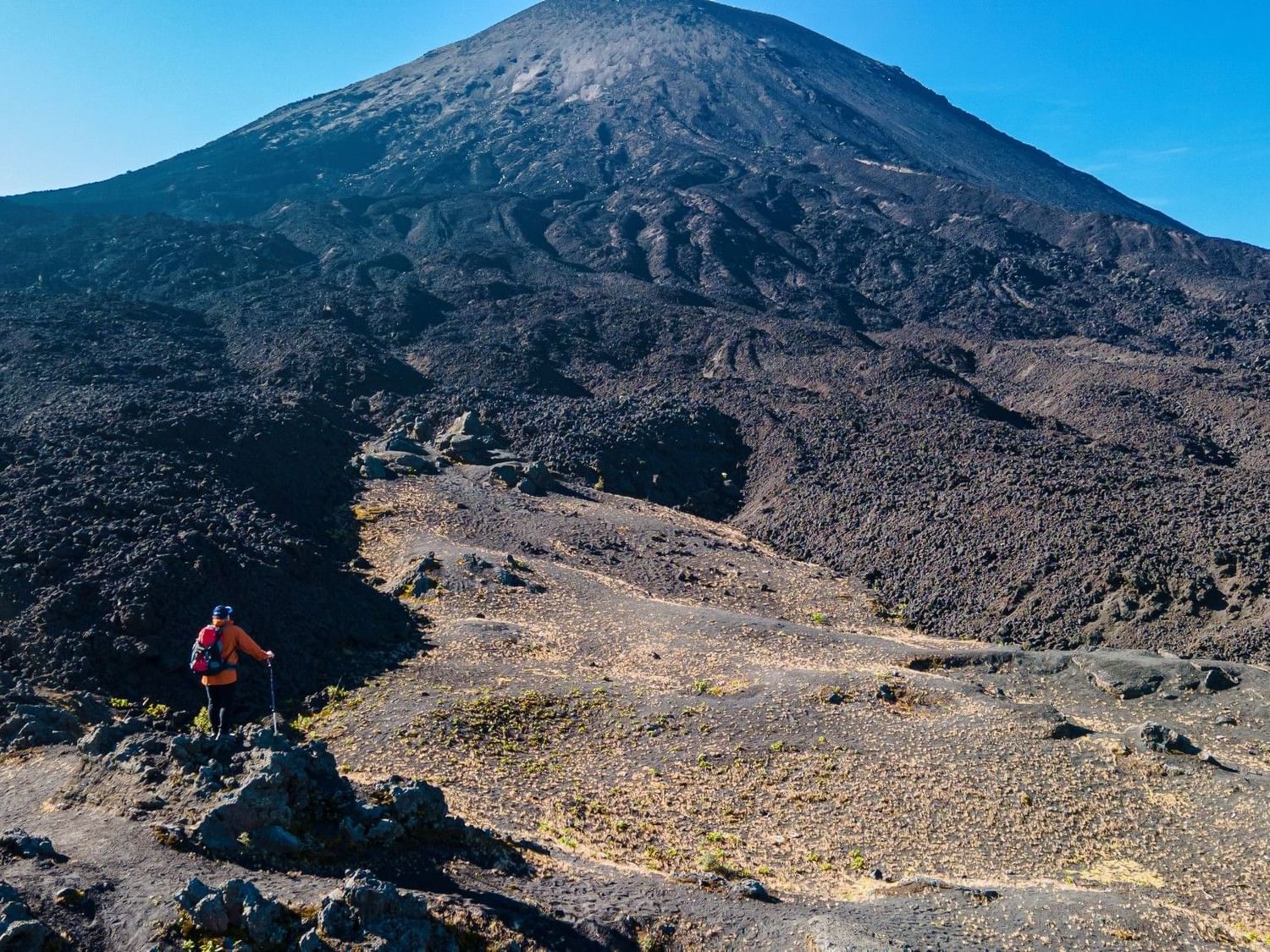
Is the most active volcano in Guatemala, with 2500 mts. above the sea; the environment is formed by humid forest and rocks and it is readily accessible to visit and see the lava